
Staying Comfortable While Working From Home
The Small Discomforts That Slowly Affect Productivity
As an Amazon Associate, I earn from qualifying purchases.
Working from home sounds comfortable on paper.
No commute. Familiar surroundings. The freedom to create a workspace that suits your needs.
Yet anyone who spends long hours working from home knows that small discomforts have a way of building up throughout the day.
A room that feels slightly too warm.
Stale air lingering around a desk.
The feeling that the space becomes stuffier as the afternoon progresses.
None of these issues are major on their own. But together, they can make concentrating harder than it needs to be.
That’s why many remote workers eventually start paying attention to airflow.
Not because they’re looking for more technology, but because they’re looking for a workspace that feels easier to spend time in.
Why Air Movement Changes How A Room Feels
Most people think about temperature first.
What often gets overlooked is how much airflow influences comfort.
Two rooms can be exactly the same temperature, yet one feels far more pleasant simply because the air is moving.
A gentle circulation of air can make a room feel fresher, lighter, and less confined.
This becomes particularly noticeable in home offices where the same person may remain in one position for hours at a time.
Unlike traditional fans that can dominate a room, a slim tower fan provides airflow while remaining relatively unobtrusive.
The goal isn’t to create a wind tunnel.
It’s to make the environment feel more comfortable for longer periods.
Home Offices Are Doing More Than Ever
Today’s home office is rarely just an office.
It may also function as:
- A study space
- A meeting room
- A creative workspace
- A gaming area
- A spare bedroom
- A family computer station
Because these rooms often serve multiple purposes, every piece of equipment needs to justify the space it occupies.
Large appliances can quickly make a room feel crowded.
Compact solutions tend to fit more naturally into modern homes where flexibility matters.
A tower fan works well in this environment because it contributes to comfort without demanding attention.
The Afternoon Slump Is Often About More Than Energy
Most people experience a dip in focus during the afternoon.
It’s usually blamed on tiredness, lunch, or workload.
Sometimes the environment plays a larger role than we realise.
A room that feels warm and stagnant can make concentration more difficult.
Tasks begin to feel heavier.
Motivation starts slipping.
Simple jobs seem to take longer.
Improved airflow won’t magically eliminate fatigue, but it can help create conditions that support better focus throughout the day.
The workspace feels fresher.
The room feels less stuffy.
And small distractions become less noticeable.
Technology Works Best When It Disappears
One interesting characteristic of genuinely useful home technology is that it gradually becomes invisible.
People stop thinking about it.
They simply enjoy the benefit.
This often happens with comfort-focused devices.
Initially, attention is placed on settings, controls, and features.
A few weeks later, those things barely register.
What remains is the outcome.
The room feels more comfortable.
The workspace feels more pleasant.
The daily routine flows a little more smoothly.
That shift from noticing the device to noticing the result is often a sign that a product has found a natural place in the home.
Quiet Matters More Than Most People Expect
Remote work has introduced new challenges.
Video calls, online meetings, recorded presentations, and focused work sessions all depend on maintaining a comfortable environment.
Noise can become surprisingly disruptive.
A loud appliance may seem acceptable for ten minutes.
After several hours, however, the experience often feels very different.
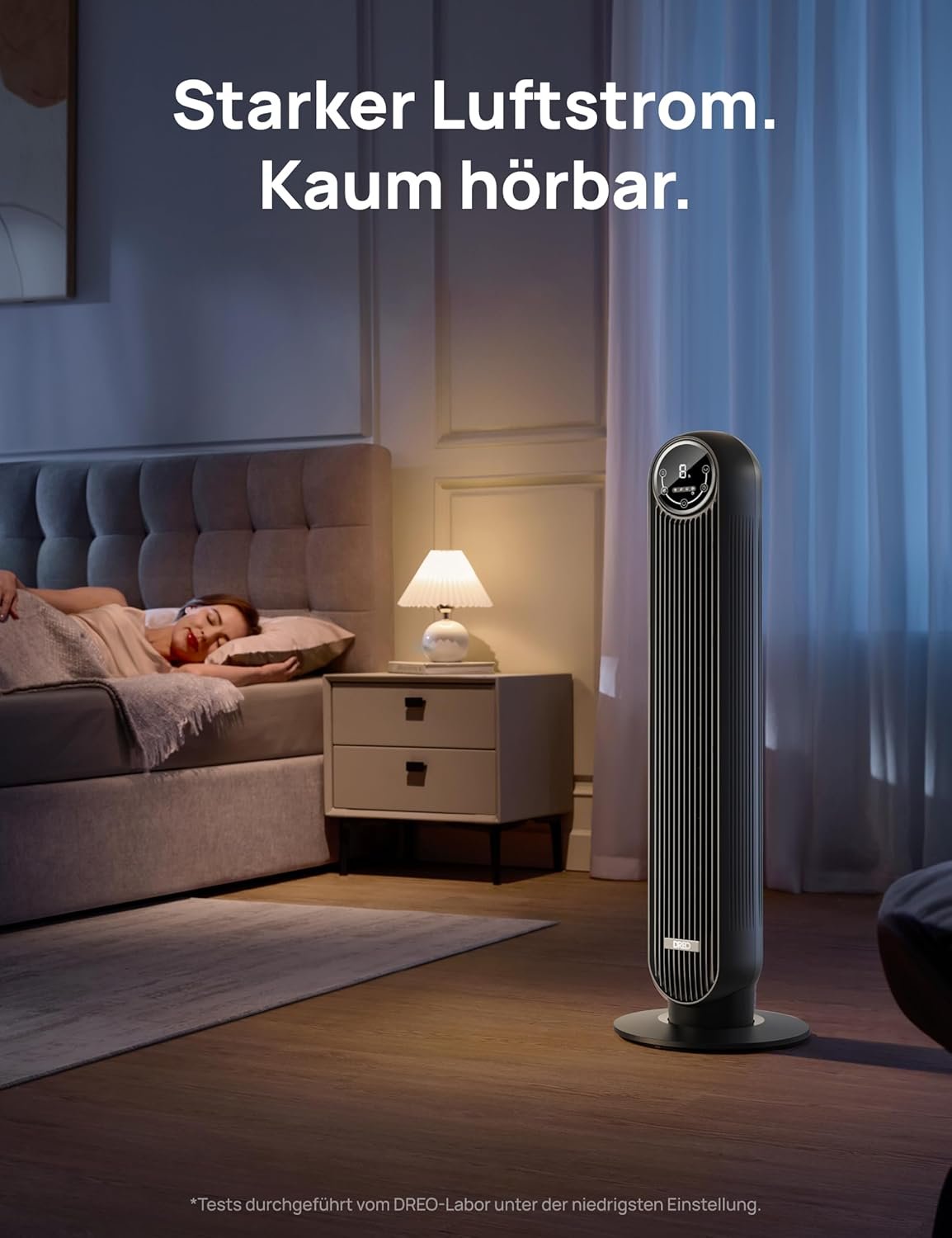
Quiet operation allows airflow to remain part of the environment rather than becoming the centre of attention.
This becomes especially valuable during:
Video Meetings
Background noise can distract both the speaker and participants.
Focus Sessions
Deep concentration often relies on reducing unnecessary interruptions.
Shared Spaces
Many households have multiple people working, studying, or relaxing simultaneously.
A quieter environment tends to benefit everyone.
Comfort Without Constant Adjustments
People rarely enjoy managing household devices all day.
The most appreciated features are often the ones that reduce effort.
Remote controls, multiple airflow modes, timers, and adjustable speeds all contribute to this goal.
Rather than repeatedly getting up to make changes, users can adapt the environment quickly and easily.
Over time, these conveniences become routine.
The effort saved may be small each time, but it accumulates day after day.
Small Spaces Benefit From Smarter Design
Not every home office occupies a dedicated room.
Many remote workers use:
- Bedroom corners
- Dining areas
- Loft spaces
- Spare rooms
- Apartment workstations
In these situations, efficient use of space becomes important.
Bulky equipment can make a room feel cluttered.
Slim tower designs help maintain a cleaner appearance while still providing meaningful airflow.
For people who value both comfort and organisation, this balance can be surprisingly important.
Comfort Extends Beyond Working Hours
One advantage of a home office fan is that its usefulness doesn’t end when work does.
The same room often transitions into a different role later in the day.
Perhaps it becomes a reading area.
A gaming room.
A hobby space.
Or simply a quiet place to unwind.
The airflow that supports productivity during working hours can continue supporting comfort long after the laptop closes.
This versatility often makes the fan feel less like office equipment and more like part of the home itself.
The Benefits You Tend To Notice Later
Many comfort improvements reveal themselves gradually.
The first day may feel slightly better.
After a few weeks, patterns begin to emerge.
You realise:
- The room feels fresher throughout the afternoon.
- Working sessions feel more comfortable.
- Warm days are easier to manage.
- Concentration feels less interrupted by environmental distractions.
- The workspace feels more inviting.
These observations rarely happen all at once.
Instead, they appear naturally through everyday use.
FAQ
Is a tower fan suitable for a home office?
Yes. Many people use tower fans to improve airflow and comfort while working, particularly in smaller offices or multi-purpose rooms.
Will a fan take up much floor space?
Slim tower designs are specifically intended to provide airflow while occupying relatively little room.
Can a tower fan help during video calls?
Quiet operation can make a fan more suitable for environments where meetings and calls are common.
Is remote control functionality useful in an office?
Many users appreciate being able to adjust settings without leaving their desk.
Does oscillation improve comfort?
Oscillation helps distribute airflow across a wider area, making the room feel more evenly ventilated.
Can it be used outside office hours?
Absolutely. Many people continue using their fan for relaxation, reading, entertainment, or sleeping later in the day.
Why This Fits Naturally Into Remote Work Life
Working from home often involves refining the environment little by little.
A better chair.
Improved lighting.
A more organised desk.
Stronger routines.
Comfortable airflow belongs in that same category.
Not because it’s dramatic, but because it quietly removes friction from everyday life.
A room feels fresher.
Long afternoons become easier to manage.
The workspace feels more comfortable to spend time in.
And when the workday finally ends, the same airflow continues contributing to a home environment that feels calmer, more comfortable, and easier to enjoy.
cc
Check It Out!