
Why More People Are Paying Attention to Their Sleep Without Overcomplicating It
As an Amazon Associate, we may earn from qualifying purchases. This comes at no extra cost to you and helps support our website.
The One Health Habit Many People Accidentally Ignore
When people think about improving their health, exercise is usually one of the first things that comes to mind.
Nutrition often follows closely behind.
Hydration gets attention.
Step counts become daily goals.
Yet one of the most important parts of overall wellbeing is often overlooked.
Sleep.
Not because people think it is unimportant.
Most people understand that good sleep matters.
The challenge is that sleep happens in the background. Unlike exercise or nutrition, it can be difficult to measure how well it is actually supporting daily life.
This is one reason sleep awareness has become such a major focus in recent years. People are becoming increasingly curious about understanding their nightly routines and how those routines affect their energy, productivity and wellbeing.
Why Feeling Rested Is Not Always the Full Story
Many people judge their sleep based on how they feel when they wake up.
Sometimes that works.
Sometimes it does not.
A person may spend eight hours in bed yet still feel tired throughout the day.
Another may feel surprisingly energetic despite sleeping less than usual.
Sleep quality is influenced by many different factors, and it can be difficult to spot patterns without some level of awareness.
This is where modern wearable technology has found a useful place in everyday life.
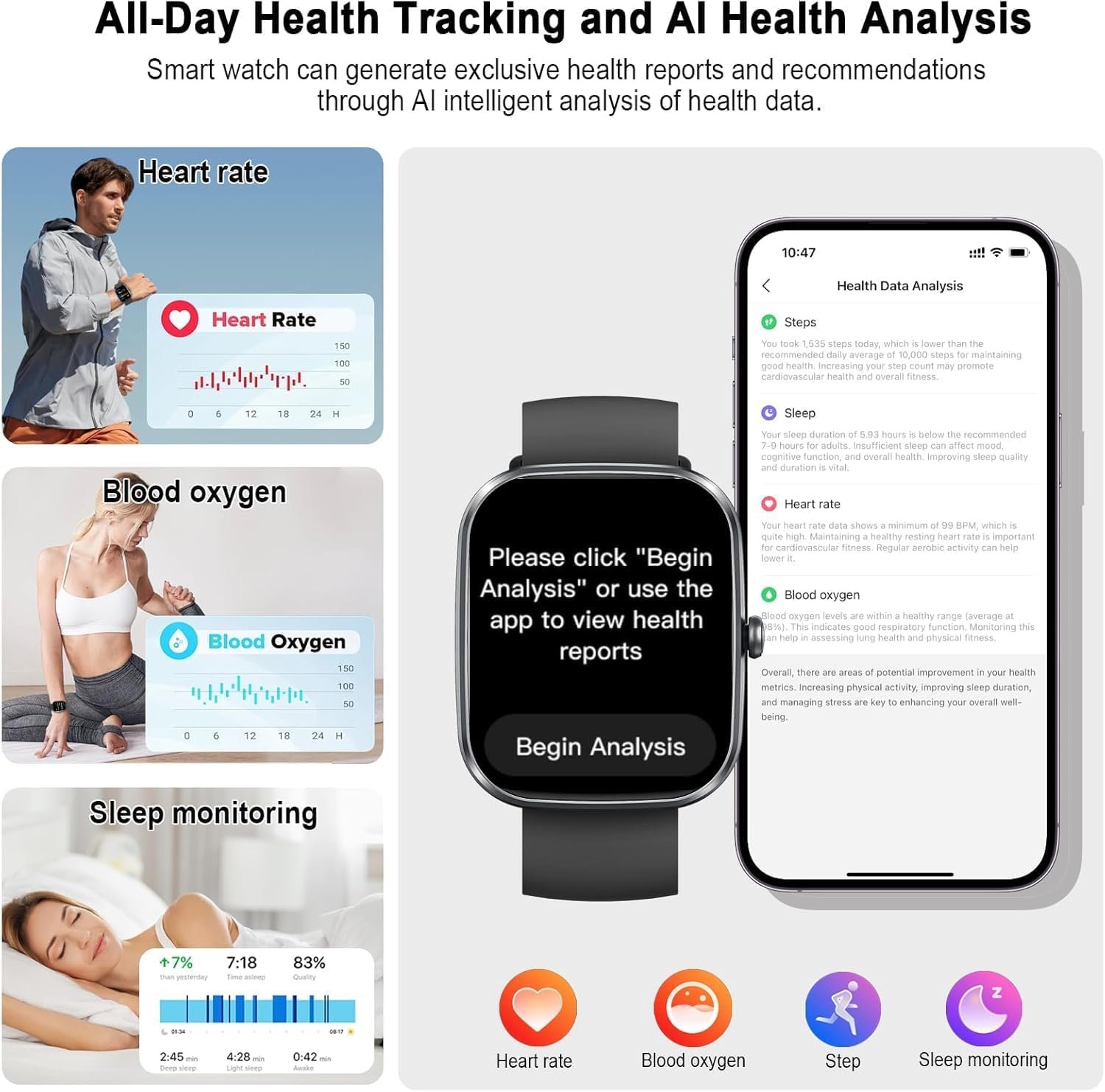
Rather than trying to diagnose problems or provide medical advice, sleep tracking tools can simply help users become more aware of their habits.
Awareness often leads to better decisions.
The Connection Between Sleep and Everyday Life
Sleep affects much more than energy levels.
It influences concentration.
It impacts mood.
It affects motivation.
It can influence productivity, exercise performance and even daily decision-making.
When people begin paying attention to their sleep patterns, they often discover connections that previously went unnoticed.
Perhaps late-night screen time affects bedtime consistency.
Maybe weekend sleep schedules differ dramatically from weekdays.
Perhaps certain habits support more restful nights than others.
Understanding these patterns can make it easier to create routines that feel sustainable.
Technology That Encourages Observation Rather Than Obsession
One concern some people have about health technology is that it may encourage constant monitoring.
In reality, many users take a much simpler approach.
They occasionally review information.
They look for trends.
They notice changes.
They use the data as a reference point rather than a set of strict rules.
This balanced approach often works best.
A smartwatch can provide useful information without requiring someone to spend hours analysing numbers.
Instead, it quietly collects information while people focus on living their lives.
The value comes from the bigger picture rather than individual statistics.
Building Better Evening Habits
Most people have a general idea of what helps create a good night’s sleep.
A consistent bedtime.
A relaxing evening routine.
Less stress before bed.
A comfortable sleep environment.
The difficulty is maintaining these habits consistently.
Life has a way of disrupting routines.
Late meetings.
Family commitments.
Unexpected responsibilities.
Travel.
Social events.
Sleep tracking can help make these changes more visible.
When patterns become easier to see, people often find it easier to make adjustments that fit naturally into their lifestyle.
The Growing Importance of Recovery
Wellness conversations often focus on activity.
Run further.
Walk more.
Exercise regularly.
Stay active.
These are valuable goals, but recovery matters too.
Rest gives the body time to recover from physical and mental demands.
Without adequate recovery, even the best exercise routine can feel harder to maintain.
Many people are beginning to view sleep not as downtime, but as an active part of overall wellbeing.
Wearable technology can support this mindset by helping users understand how rest fits into the larger picture of health and wellness.
Understanding Daily Energy Levels
Everyone experiences days where energy feels abundant and days where motivation seems harder to find.
Sometimes the reasons are obvious.
Other times they are not.
Sleep awareness can provide useful context.
If energy levels have been lower than expected, looking at recent sleep habits may reveal helpful clues.
The goal is not to explain every fluctuation.
Human wellbeing is far more complex than that.
However, understanding general trends can make it easier to identify habits that support better daily performance.
Wellness Beyond Sleep
Although sleep is often a major attraction, modern smartwatches usually support a broader wellness picture.
Activity tracking.
Heart rate awareness.
Movement reminders.
Daily step counts.
General health monitoring.
These features work together to provide a more complete understanding of daily habits.
Someone may notice that active days coincide with better sleep.
Another person may discover that prolonged sitting affects energy levels.
The value comes from seeing how different aspects of lifestyle connect together.
Making Health Awareness More Accessible
One reason wearable technology continues to grow in popularity is accessibility.
Health information is no longer limited to occasional check-ins or manual tracking.
Instead, useful insights can be available throughout the day.
This does not mean people need to monitor themselves constantly.
In many cases, the opposite is true.
Because information is gathered automatically, users can spend less time tracking and more time focusing on daily life.
The technology becomes a background tool rather than a central focus.
The Benefits of Long-Term Perspective
Individual nights rarely tell the whole story.
Everyone experiences occasional poor sleep.
Everyone has nights disrupted by stress, travel or unexpected events.
Long-term trends are often more useful than isolated examples.
By viewing sleep as part of an ongoing lifestyle pattern, people can gain a clearer understanding of what supports their wellbeing over time.
This broader perspective can encourage patience and consistency rather than chasing quick fixes.
Creating Routines That Support Everyday Wellbeing
The most effective wellness habits are often the ones that feel manageable.
Small adjustments.
Reasonable expectations.
Consistent routines.
Sleep awareness fits naturally into this approach.
Rather than focusing on perfection, many people simply want to understand their habits a little better.
Technology can support that goal by making information more accessible and easier to understand.
Why Sleep Awareness Continues to Grow
As conversations around health and wellness continue to evolve, sleep is receiving more attention than ever before.
People are recognising that feeling their best often begins long before the day starts.
It begins the night before.
Understanding sleep patterns is not about becoming obsessed with numbers or striving for perfect results.
It is about creating awareness.
For many people, that awareness becomes a valuable part of building healthier, more balanced routines.
A smartwatch that combines sleep monitoring, wellness tracking, activity awareness and everyday convenience can fit naturally into this journey.
By helping users understand their habits more clearly, it supports informed decisions and encourages a more thoughtful approach to everyday wellbeing.
In a world where many aspects of life compete for attention, sometimes one of the most valuable things technology can do is help us better understand something as simple, and as important, as a good night’s sleep.
Check It Out!